
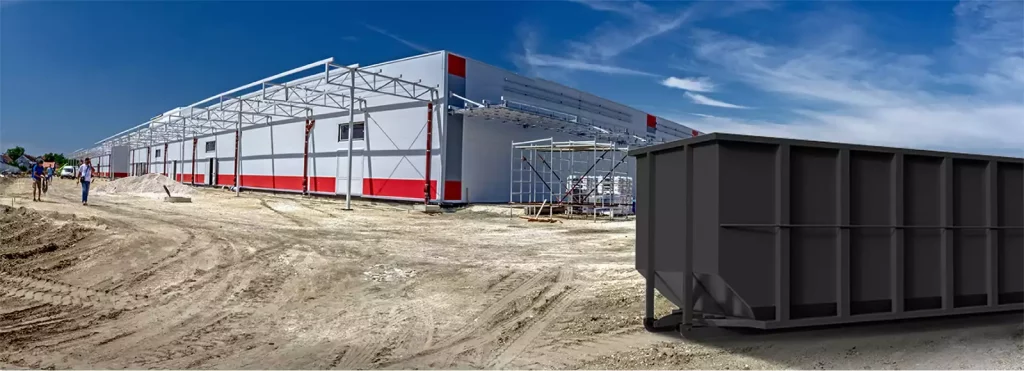
Choosing the right roll-off dumpster size is the single biggest decision you’ll make on a cleanout, remodel, or demolition project. Pick too small and you’ll pay for a second pickup. Pick too big and you’ve paid for capacity you didn’t need. This guide walks through every roll-off size we offer in the Tulsa metro — what each one fits, what it weighs, and which size makes sense for your specific project.
A to B Hauling has been answering Tulsa dumpster questions since 2014. We’ve helped homeowners, contractors, and commercial accounts size their projects across thousands of jobs. If you’d rather skip the reading and just talk to a real human, call 918-900-4285 — we’ll match the right size to your project in under 30 minutes.
The Quick Answer
Most Tulsa-area projects fit one of five roll-off dumpster sizes:
- 15 yard: Small garage cleanouts, single-room remodels, small landscaping projects
- 20 yard: Whole-home cleanouts, mid-size renovations, mid-size roof tear-offs
- 25 yard: Larger remodels, full-home roof tear-offs, mid-size construction debris
- 30 yard: Major demolition, large new-construction debris, large commercial cleanouts
- 40 yard: Whole-building demolition, multi-building roof tear-offs, large industrial cleanouts (available for select projects — call to confirm)
Read on for detailed sizing on each, plus a decision framework for when to size up or down.
What Is a Roll-Off Dumpster?
A roll-off dumpster is an open-top, rectangular container delivered to your job site by a truck with hydraulic rails. The truck “rolls” the empty dumpster off the back, you fill it on your timeline, and the same truck comes back to pick it up when you’re done. Roll-offs are built for construction debris, demolition waste, large cleanouts, and roofing projects — anything where you need a lot of capacity that a regular trash can or pickup truck can’t handle.
Roll-off sizes are measured in cubic yards, which describes the dumpster’s volume — not its dimensions. A 20 yard dumpster holds 20 cubic yards of debris. As a reference: one cubic yard equals roughly 200 gallons or about three standard kitchen trash bags.
15 Yard Roll-Off Dumpster
Best for: Small projects, tight driveways, light debris.
Approximate dimensions: 14 ft long × 8 ft wide × 4 ft tall
Capacity: Roughly 6 standard pickup truck loads of debris.
Common Tulsa-area uses:
- Single-room remodels (one bathroom, one small kitchen)
- Small garage cleanouts
- Yard cleanups and small landscaping projects
- Small roof tear-offs (under 1,500 sq ft, single layer of shingles)
- Concrete or heavy-debris projects (heavy materials need a smaller dumpster because of weight limits)
The 15 yard is the most “driveway-friendly” size we offer. Its low side walls make loading easy without ramps, and its short footprint fits in tight residential driveways without blocking parking. It’s also the size we recommend for projects involving concrete, brick, dirt, or other heavy materials — these debris types are weight-limited, and a smaller container with full capacity beats a larger container that you can only fill halfway.
20 Yard Roll-Off Dumpster
Best for: Whole-home projects and mid-size renovations.
Approximate dimensions: 22 ft long × 8 ft wide × 4.5 ft tall
Capacity: Roughly 8 standard pickup truck loads of debris.
Common Tulsa-area uses:
- Whole-home cleanouts (downsizing, estate cleanups, post-tenant cleanups)
- Kitchen + bathroom remodels combined
- Roof tear-offs between 1,500 and 3,000 sq ft
- Mid-size garage and basement cleanouts
- Small contractor jobs and light commercial cleanups
The 20 yard is the most-rented size in the Tulsa metro for a reason — it handles the majority of residential and small-contractor projects without paying for capacity you won’t use. If you’re not sure between a 15 and a 20, the 20 is usually the safer choice for whole-home or multi-room projects.
25 Yard Roll-Off Dumpster
Best for: Larger residential and small commercial projects.
Approximate dimensions: 22 ft long × 8 ft wide × 5.5 ft tall
Capacity: Roughly 10 standard pickup truck loads of debris.
Common Tulsa-area uses:
- Full-home roof tear-offs (3,000-4,500 sq ft)
- Larger renovations involving multiple rooms
- Mid-size commercial cleanouts (small office buildouts, restaurant renovations)
- Significant landscaping and tree-removal projects
The 25 yard is the bridge between residential and small commercial. Its taller walls give you more usable capacity per square foot of driveway space than the 20, while still fitting most standard residential lots without requiring street placement.
30 Yard Roll-Off Dumpster
Best for: Major demolition and large construction.
Approximate dimensions: 22 ft long × 8 ft wide × 6 ft tall
Capacity: Roughly 12 standard pickup truck loads of debris.
Common Tulsa-area uses:
- Full-home demolition
- Major commercial cleanouts and demolitions
- Large multi-story roof tear-offs
- New-construction debris from larger builds
- Mid-size industrial cleanouts
The 30 yard is the workhorse for major projects. It’s the largest size that fits on most standard driveways without needing street permits or special placement. If your project involves tearing down a building, gutting a house, or hauling a lot of light bulky debris like furniture or packaging, the 30 yard is usually the right size.
40 Yard Roll-Off Dumpster
Best for: The largest commercial and demolition projects.
Approximate dimensions: 22 ft long × 8 ft wide × 7-8 ft tall
Capacity: Roughly 12-16 standard pickup truck loads of light debris.
Common Tulsa-area uses:
- Whole-building commercial demolitions
- Multi-building apartment complex roof tear-offs
- Large industrial site cleanouts and decommissioning
- Major commercial buildouts and renovations
- Estate or hoarding cleanouts at the largest scale
Availability note: 40 yard roll-offs are a less common size with limited regional inventory in the Tulsa metro. We recommend calling 918-900-4285 at least 2-3 business days before your project start date so we can confirm availability and pricing for your dates. If a 40 yard isn’t available for your specific timeline, the 30 yard handles most major projects and is typically available same-day or next-day.
Important: Heavy materials like concrete, brick, and dirt are not recommended in a 40 yard. The weight quickly exceeds what trucks can safely haul. For heavy-debris projects, the 10 or 15 yard is a better fit.
How to Choose: A Decision Framework
If you’re stuck between two sizes, use this framework:
When to Size Up
- You’re not sure how much debris you’ll generate
- The cost difference between sizes is small relative to the cost of a second pickup
- You’re working on a construction or remodel project (these almost always generate more debris than estimated)
- The project will run more than a week (more time = more debris discovered)
When to Size Down
- The debris is heavy (concrete, brick, dirt) — weight limits matter more than volume
- Your driveway has tight clearance or low overhanging branches
- You only have one specific load (a single hot tub, a single old appliance, a small landscaping job)
- You can confidently estimate the debris volume to within one size
Rule of thumb: When in doubt, size up. The cost of a second pickup is almost always higher than the cost of a slightly larger dumpster.
Common Tulsa Project Examples
Below are sizing recommendations for common Tulsa-area projects we deliver to weekly:
- Single-room kitchen remodel: 15-20 yard
- Whole-home gut renovation: 25-30 yard
- Garage cleanout: 15-20 yard
- Estate or hoarding cleanout: 20-30 yard depending on scale
- Single-family roof tear-off: 20 yard for under 2,500 sq ft, 25-30 yard for larger
- Commercial roof tear-off: 30-40 yard
- Concrete driveway removal: 10-15 yard (heavy material — smaller is required)
- Whole-house demolition: 30-40 yard
- Restaurant or retail buildout: 25-30 yard
- Apartment complex turnover: 30-40 yard
What You Can and Can’t Put in a Roll-Off
Most projects accept construction debris, household junk, roofing shingles, yard waste, furniture, and remodeling waste. The standard exclusions across all roll-off sizes:
- Hazardous materials (chemicals, oils, solvents)
- Tires
- Paint and paint cans
- Batteries
- Electronics and appliances with refrigerant (refrigerators, freezers, AC units)
- Propane tanks
- Liquids of any kind
Concrete, brick, and dirt typically require a dedicated heavy-debris dumpster (usually a 10 or 15 yard) — these materials are weight-limited and need to be loaded into a smaller container to stay under the truck’s safe haul weight.
Call 918-900-4285 if you have a debris type that’s not on either list — we’ll confirm what your specific project allows before delivery.
Tulsa-Specific Sizing Considerations
A few sizing factors that come up specifically in the Tulsa metro:
- Driveway permits: Most Tulsa neighborhoods don’t require permits for a dumpster placed on private property (driveway, lawn, or commercial parking lot). Permits are usually only required when the dumpster sits on a public street.
- Heat and sun exposure: Tulsa summers can soften asphalt driveways under heavy roll-off weight. Consider plywood under the dumpster wheels for projects running multiple weeks in July or August.
- HOA restrictions: Some Tulsa-area HOAs (Brookside, Maple Ridge, parts of Owasso) have time limits on driveway dumpsters. Check your HOA rules before scheduling a multi-week project.
- Tree clearance: Older Tulsa neighborhoods often have mature trees with low branches over driveways. The 25 yard and larger sizes have taller walls that may need clearance.
Get the Right Size for Your Tulsa Project
Sizing a roll-off dumpster comes down to estimating debris volume, accounting for weight, and matching to your driveway or job-site constraints. When in doubt, talk to someone who’s been doing this in the Tulsa metro for over a decade.
Call A to B Hauling at 918-900-4285 for a free quote in 30 minutes or less. We’ll walk through your project, recommend the right size (not the biggest one — the right one), and confirm pricing and scheduling for your dates. Owner-operated, real Tulsa phone, no surprise fees.